

Jesus didn’t say ‘Go and make friends’, but ‘Go and make disciples’. Both are not mutually exclusive, and both should be part of the lives of those who follow Jesus. Yet it is making disciples that is the more pressing commission given to us by Jesus Christ. As you make disciples, you cannot help but make friends too. Many years ago, I was a volunteer staff member at a Baptist Church in the north-east of England.


Three years ago, I reviewed Preston Sprinkle’s book "Embodied". At that time, I wrote, “Sprinkle has a rare capacity as an author: on the one hand, to manage to be emotionally warm, personable, people-orientated, empathic and real; and on the other, scientifically rigorous, clear and theologically coherent.”

We recognise within TFT that there is a range of opinion on how people describe their sexual feelings and why. In the following three opinion pieces, David, Russ and Christine each explain the language that they prefer, along with their reasoning. At TFT, we don’t have an official “line” on the best vocabulary to use to describe a prevailing pattern of sexual feelings towards those of the same-sex. Whatever terms you choose to adopt, we would encourage you to respect that others will have settled on alternative preferred language for themselves, often for good reasons.
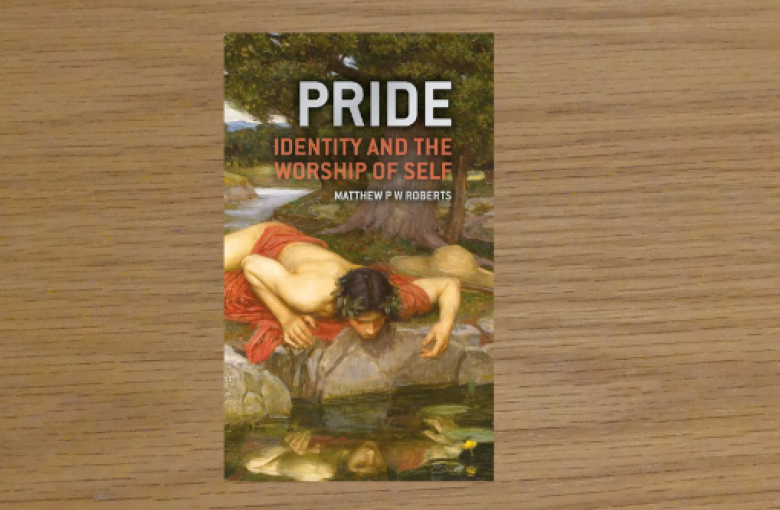
"Pride" is a book that was recommended by my Crosslands tutor for helping to clarify both the meaning of ‘concupiscence’ and the current issues surrounding it. I’m studying on their seminary programme, children’s and youth ministry track. When it came time to write my essay on ‘The Image of God’, I realised this book that was sitting on my shelf might be quite helpful! "Pride" is a book all about identity and how this gets distorted. It’s about worship and idolatry, and how we can end up worshipping ourselves (hence the name "Pride") instead of God.

Have you ever questioned your faith or had doubts whether you are right about sexuality? (For what TFT believes, see our Basis).Those of us who hold to biblical teaching on sexuality are increasingly out of step with the culture. We can also find ourselves at odds with some who identify as Christians.
It can feel as though we are caught in the cross fire and that is hard.

Ben Chang’s latest book is an astute and wisely prophetic look at the evolving social movements competing with traditional Christian positions today. When I began reading the book, I was expecting an overview of the conflicts themselves, alongside proposals for how to mitigate the damages done by them, according to some enlightened scheme. What I found was a book that is roughly equal parts backstory and treatment plan. The backstory is a modern history of four loosely interrelated social movements: feminism, racial justice, gay pride and trans(sexual) rights.
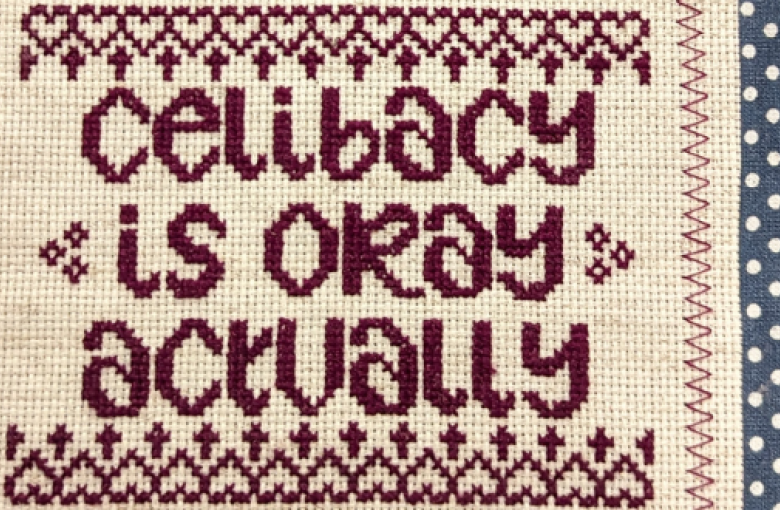
 In this conversation, Ruth talks with Ros Clarke about how she uses art and craft to consider matters of sexuality, celibacy and singleness. She explores how art has been a way of bringing a message of biblical truth about sexuality to the church.

Journeys of Faith is a free online resource produced by the “Center for Faith, Sexuality & Gender” - a U.S. based organisation. Having looked at most of the course, I feel it is easier to explain what it is, before I suggest when you might use it.
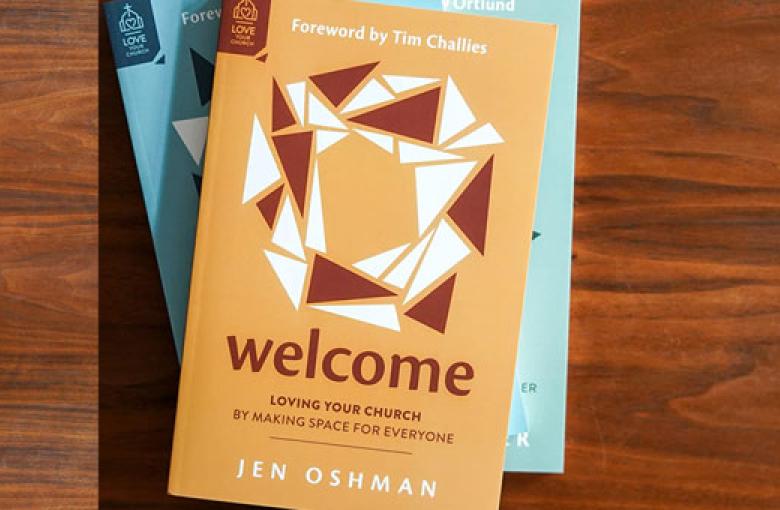
I love the format of this book. Although it is short, Jen Oshman has packed it with nuggets of biblical wisdom. Each chapter has brief real-life stories to bring the topics to life. Jen then roots the principles of what she is saying in biblical passages. The end of each chapter lists a set of “Action steps”, based on the teaching from the chapter. And the book ends with a 7-session discussion guide for small groups, each session being based on one of the chapters as well as a relevant Bible passage.